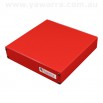

MarinaNet starts using the versatile and robust WRAP Series
The MarinaNet service is a "Hotspot" style wireless network that covers most of the marinas along the
Queensland coast.
In the early stages of MarinaNet, access to the network was controlled by a standard desktop computer system
running a heavily customised version of Linux. This combination, while basic, was fine at first but problems arose
in certain conditions.
These large desktop systems had moving parts, high power demands and were particularly temperature sensitive.
These factors prevented us from having external systems located on a roof or in an outdoor cabinet, where
space was at a premium and the temperatures could be extreme. The high power usage restricted any progress
we could make with our remote solar powered systems. Hardware support of these systems proved difficult and
costly as it usually involved part replacements and site visits to remote locations.
We were faced with two tasks:
Find a viable replacement of the desktop systems and,
Find an operating system that did not require the use of a desktop system.
I tested many examples of network operating systems, searching for one that could meet our requirements. It
had to operate on standard x86 hardware; it could run from a Compact Flash card; and did not require a fast CPU
and a large amount of memory. I settled on a operating system called RouterOS from Mikrotik.
So now we had found a suitable operating system we still had to source a new hardware platform to replace the
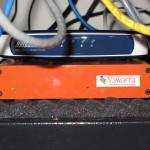
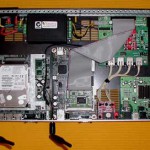
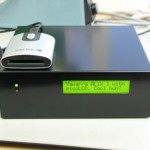
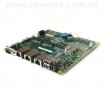
increasingly problematic desktop systems; the WRAP platform from Yawarra solved all our problems. Using this
system was an easy decision to make:
The WRAP platform is small, so the space limitations of external cabinets were no longer a concern.
It has no moving parts minimising hardware breakdowns.
It generates very little heat, removing the need for expensive and inhibitive cooling methods.
Support is now easier as a replacement box could now be shipped and swapped over by the client (the
systems have been incredibly reliable with only one replacement needed due to a lightning strike).
The physical upgrade of our network simply involved swapping the existing Compact Flash card from the
desktop systems into the new WRAP platform.
New roll-outs of the WRAP systems provided a cost saving on hardware alone of approximately $300 -
$400 per site.
Now thanks to the WRAP system's versatility we have installed wireless networks in obscure locations that would not have been viable or even physically possible before. We now have 16 MarinaNet networks
and we forecast many more as we pursue other projects that are opened up to us by the WRAP systems.
- Ben Johns, Network Administrator, AccessPlus Pty Ltd